
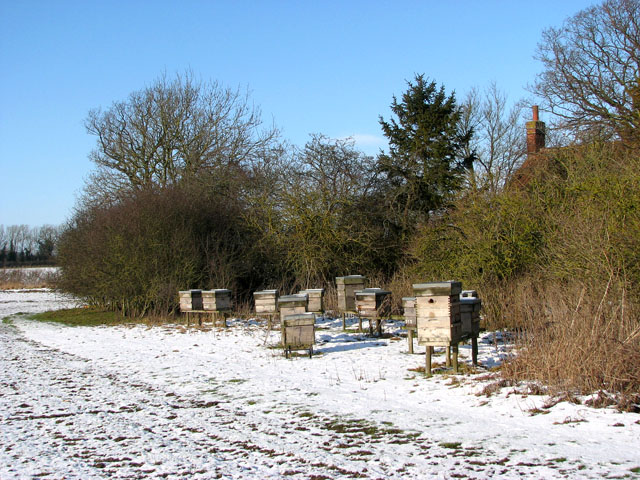
Winter is often the quietest time in the apiary, but that doesn’t mean your bees should be forgotten. While honey bees are less active during the colder months, problems can develop unnoticed if hives aren’t checked from the outside regularly.
The good news is that you don’t need to pull your hive apart every week. A few simple observations can tell you whether your colony is healthy or whether it needs your attention before spring arrives.
Here are seven things every beekeeper should be watching for during winter.
1. Is There Still Bee Activity?
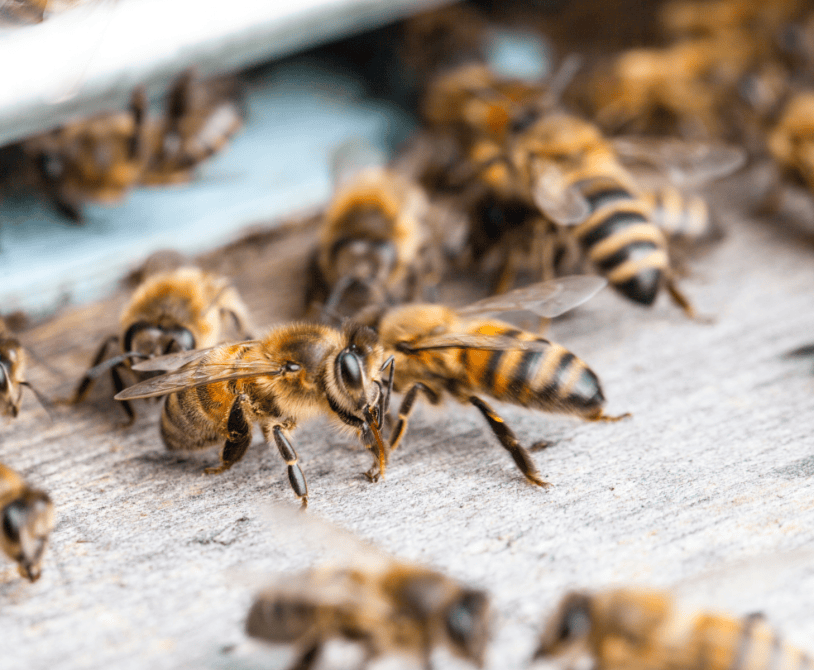
On warmer winter days, you should see a small number of bees leaving the hive for cleansing flights. Even when temperatures are low, occasional movement around the entrance is a positive sign.
If the entrance is completely silent for weeks during suitable weather, it may be worth investigating further.
Remember that less activity in winter is perfectly normal. You’re simply looking for signs that the colony is still alive and functioning.
2. Check the Hive Entrance
Take a close look at the entrance every week.
Dead bees are expected throughout winter as older workers naturally die off, but the entrance should never become blocked. Bees need airflow, and the colony also needs a clear path for removing dead workers.
If necessary, gently clear excessive debris without disturbing the bees inside.
A blocked entrance can lead to poor ventilation and increased moisture inside the hive.
3. Listen Before You Open
One of the easiest winter health checks requires no tools at all.
Place your ear gently against the side of the hive or give the box a light tap. A healthy colony will usually respond with a brief buzzing sound before settling down again.
No sound doesn’t automatically mean the colony has died, particularly on very cold days, but repeated silence may justify a closer inspection when weather permits.
4. Watch for Moisture
Cold weather doesn’t usually kill bees—excess moisture often does.
Warm air from the winter cluster rises and can condense on the lid before dripping back onto the bees. Wet bees struggle to stay warm and are far more vulnerable than dry ones.
Check for:
- Water staining around the lid
- Damp timber
- Mould growth
- Excess condensation
Good ventilation and a waterproof hive help prevent these problems.
5. Make Sure They Still Have Food
Winter starvation can happen surprisingly quickly.
Without opening the hive fully, gently lift the back of the hive to judge its weight. A heavy hive usually means adequate honey stores remain, while a noticeably light hive may indicate the bees are running out of food.
If you’re concerned, consider emergency feeding with fondant or sugar candy rather than liquid syrup, which is less suitable during cold weather.
Strong colonies can consume significant honey reserves before spring flowers begin blooming.
6. Keep an Eye Out for Pests
Winter gives pests an opportunity to establish themselves while colonies are less defensive.
Regularly inspect around the hive stand and entrance for signs of:
- Small hive beetles
- Wax moth damage
- Ant trails
- Rodent activity
- Webbing or shredded wax
Finding one or two pests isn’t always a disaster, but increasing numbers usually indicate the colony is too weak to defend its space effectively.
Strong colonies remain the best defence against most hive pests.
7. Resist the Urge to Open the Hive
Perhaps the hardest lesson for new beekeepers is knowing when not to inspect.
Every time the hive is opened, valuable heat escapes and the winter cluster is disturbed. Unless you suspect a serious problem or the weather is warm enough for a quick inspection, leave the colony alone.
External checks often provide all the information you need until spring.
Your bees know how to survive winter far better than we do. Our job is simply to remove obstacles and ensure they have the resources they need.
A Simple Winter Routine
You don’t need to spend hours managing your apiary through winter.
A quick five-minute visit every week is usually enough.
During each visit:
- Observe bee activity.
- Check the entrance is clear.
- Look for pest activity.
- Lift the hive slightly to judge food reserves.
- Check for moisture or leaks.
- Ensure lids remain secure after wind or storms.
These small checks can prevent much larger problems later.
Looking Ahead to Spring
Healthy winter colonies are the colonies that explode into life when spring arrives.
By monitoring your hives regularly, avoiding unnecessary disturbance and dealing with small issues before they become major ones, you’ll give your bees the best possible chance of building rapidly once nectar and pollen become abundant again.
Winter isn’t a time to forget your bees—it’s a time to quietly support them while they prepare for another busy season.