

A bountiful harvest is a joy, but ensuring that fresh produce lasts beyond the growing season requires effective preservation methods. Drying, fermenting, and proper storage techniques allow gardeners and farmers to enjoy their crops year-round while reducing waste and maintaining nutrient value. Each method has its benefits, and choosing the right one depends on the type of produce and personal preference.
Drying: A Simple and Effective Method
Drying removes moisture from food, preventing spoilage and concentrating flavours. It works well for fruits, vegetables, herbs, and even some meats.
How to Dry Produce
-
Air Drying – Ideal for herbs like basil, rosemary, and oregano. Simply hang bunches upside down in a well-ventilated area out of direct sunlight.
-
Oven Drying – Works well for tomatoes, apples, and citrus peels. Set the oven to the lowest temperature (50–60°C) and leave the door slightly open for airflow.
-
Dehydrator Drying – A food dehydrator offers controlled drying conditions, preserving nutrients and extending shelf life.
Storage Tips
-
Keep dried produce in airtight containers in a cool, dark place.
-
Label jars with the drying date for easy tracking.
-
Use dried produce in teas, soups, stews, and baking.
Fermenting: Enhancing Flavour and Nutrition
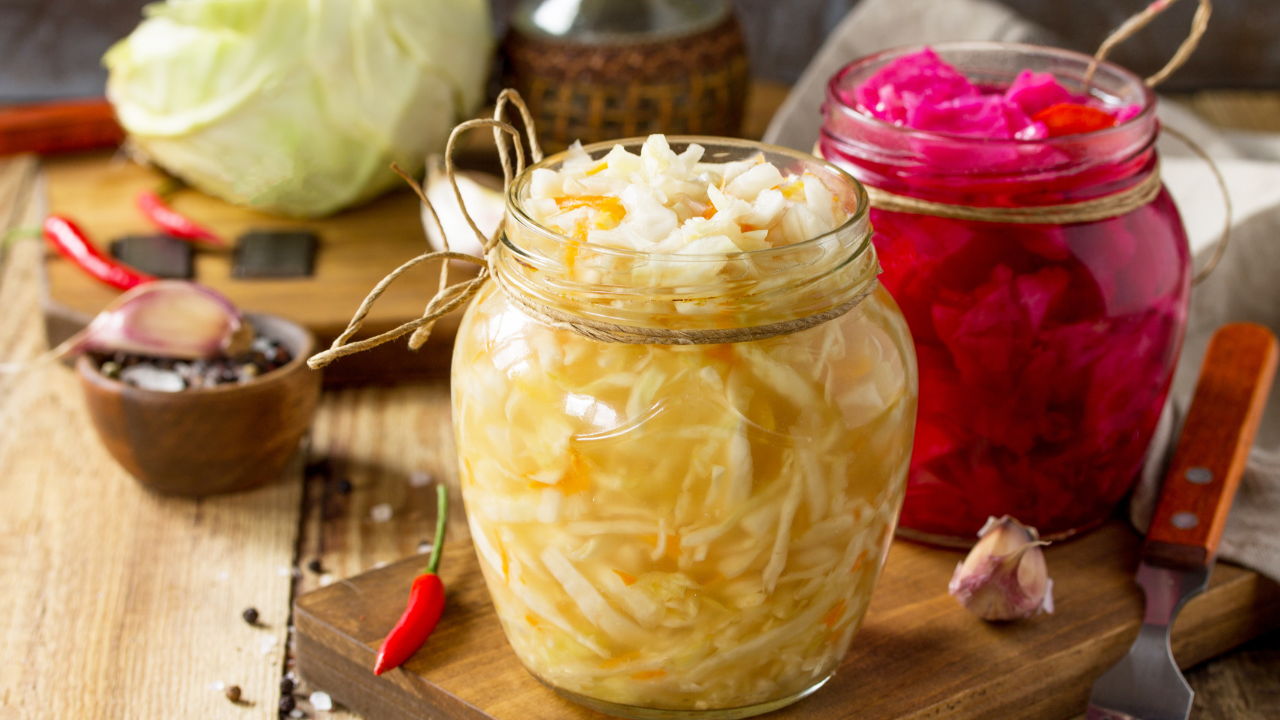
Fermentation uses beneficial bacteria to preserve food, creating probiotic-rich products that support gut health. It’s an excellent method for preserving vegetables, dairy, and even beverages.
How to Ferment Vegetables
-
Choose fresh produce – Cabbage, cucumbers, carrots, and radishes ferment well.
-
Prepare a brine – Dissolve non-iodised salt in water (e.g., 2% brine: 20g salt per litre of water).
-
Pack the produce tightly into sterilised jars, ensuring everything is submerged under the brine.
-
Ferment at room temperature for several days to weeks, depending on desired flavour and texture.
Storage Tips
-
Store finished ferments in the fridge to slow fermentation.
-
Use airtight jars to maintain freshness.
-
Enjoy in salads, sandwiches, and as flavourful side dishes.
Storing Fresh Produce for Longevity
Proper storage helps keep fruits and vegetables fresh for extended periods. Some crops store best in cool, humid conditions, while others prefer dry environments.
Root Cellaring
-
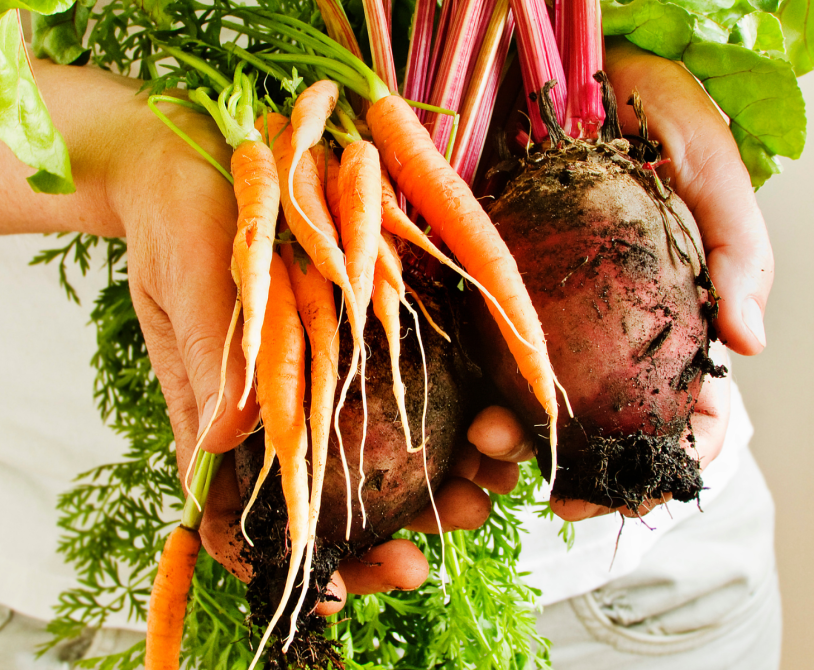
Potatoes, carrots, and beets can be stored in damp sand or sawdust in a cool, dark place.
-
Onions and garlic prefer dry, well-ventilated storage with low humidity.
Refrigeration & Freezing
-
Leafy greens last longer when wrapped in damp cloths and stored in the crisper drawer.
-
Blanching vegetables before freezing preserves colour, texture, and nutrients.
-
Freezing berries on trays before bagging prevents clumping.
Preserving for a Sustainable Lifestyle
By using a combination of drying, fermenting, and storage techniques, home gardeners and small-scale farmers can maximise their harvest while enjoying fresh, nutritious food year-round. Each method not only reduces waste but also connects us to traditional food preservation practices that have sustained generations.