

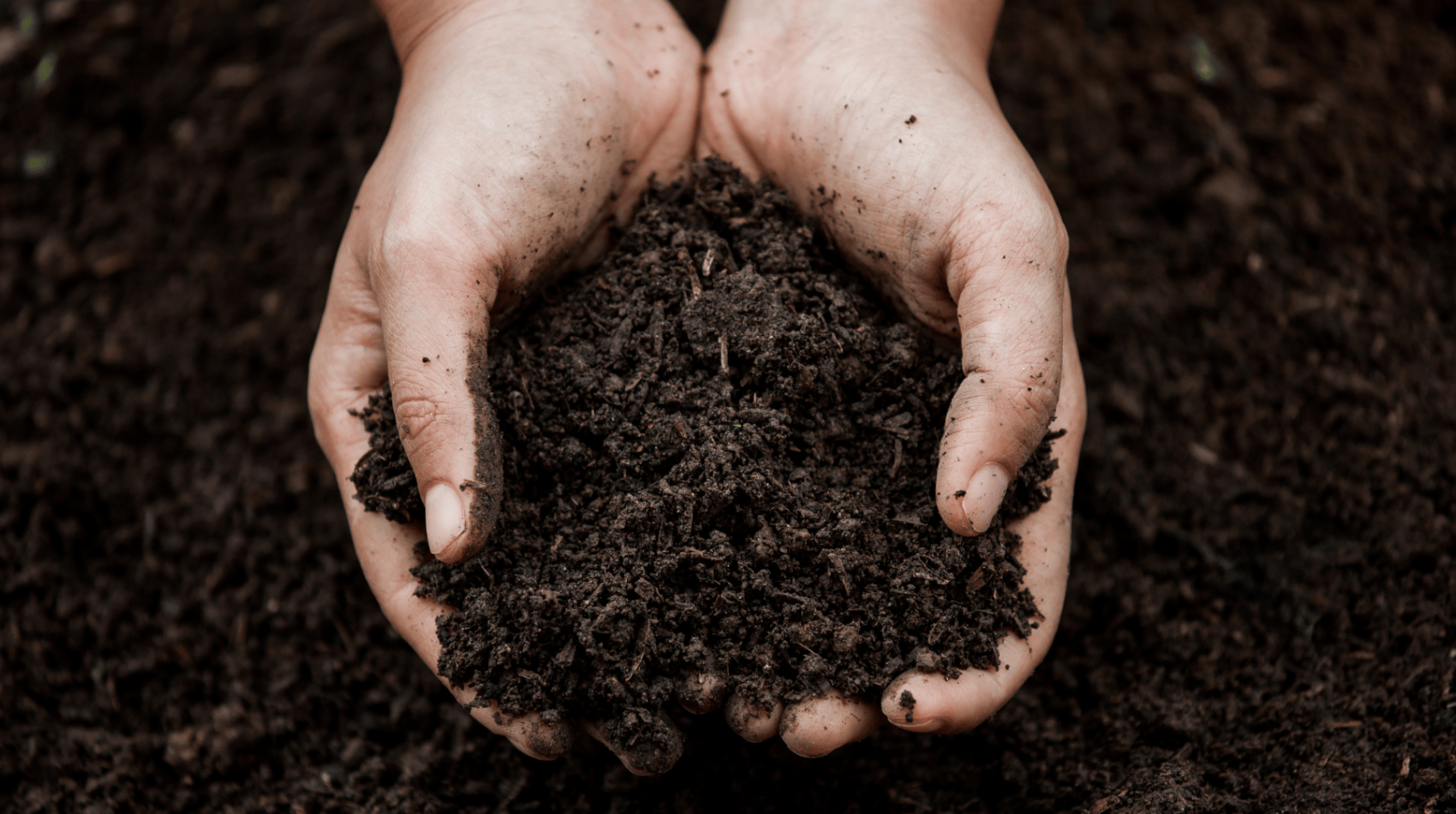
At Our 200-Acre Farm, we believe that healthy soil is the foundation of a thriving farm. By nurturing our soil with sustainable practices, we ensure long-term fertility, improved plant health, and a balanced ecosystem. Our commitment to soil care supports everything from our vegetable gardens to our orchards, benefiting both the land and future generations.
Why Soil Health Matters
Soil is more than just dirt—it’s a living, breathing ecosystem teeming with microbes, fungi, and beneficial organisms that contribute to plant growth and resilience. Healthy soil retains moisture, supports biodiversity, and reduces the need for artificial fertilisers. By prioritising soil health, we create stronger crops, prevent erosion, and improve overall farm sustainability.
Our approach focuses on building soil fertility naturally. We avoid synthetic chemicals, opting instead for organic matter like compost, manure, and green cover crops to replenish essential nutrients. By improving soil structure and microbial life, we enhance its ability to retain water and resist disease, making our farm more resilient to climate variations.
Sustainable Soil Management Practices
We implement a range of sustainable techniques to keep our soil healthy and productive:
-
Composting – Using organic waste to enrich the soil with essential nutrients and beneficial microbes.
-
Cover Cropping – Growing plants like clover and legumes to fix nitrogen in the soil and prevent erosion.
-
Crop Rotation – Changing what we grow in each area to prevent nutrient depletion and disrupt pest cycles.
-
Mulching – Applying organic material to retain moisture, suppress weeds, and regulate soil temperature.
-
Minimal Tillage – Reducing soil disturbance to preserve its natural structure and prevent erosion.
By following these practices, we not only improve soil fertility but also support biodiversity by fostering healthy microbial communities and earthworm populations.
The Role of Soil in Farm Sustainability
Good soil management is critical for long-term farming success. By maintaining nutrient-rich soil, we improve the quality and flavour of our produce while reducing our reliance on external inputs. Healthy soil also plays a key role in carbon sequestration, helping mitigate climate change by capturing atmospheric carbon and storing it in the ground.
Another important aspect of soil health is water retention. Well-structured soil holds moisture better, reducing the need for irrigation and making our farm more drought-resilient. This helps us grow food more efficiently while conserving precious water resources.
Join Us on Our Soil Health Journey
Soil care is a long-term investment, and we’re dedicated to continuously learning and improving our methods. Whether you’re a gardener, farmer, or just interested in sustainable land management, we encourage you to explore ways to nurture your own soil and contribute to a healthier planet.