

As the warmth of summer fades away and the leaves start to change color, it’s time to turn our attention to preparing our gardens for the cooler months ahead. While some regions might experience milder winters, others can be quite harsh. Regardless of where you are, a little preparation can go a long way in ensuring your garden thrives through the winter months.

1. Tidy Up Your Garden Beds
Before the chill sets in, it’s essential to tidy up your garden beds. Remove any dead or dying plants, weeds, and debris. Not only does this improve the appearance of your garden, but it also helps prevent pests and diseases from taking hold over winter. Trim back any overgrown shrubs and trees to promote healthy growth come spring.
2. Mulch, Mulch, Mulch
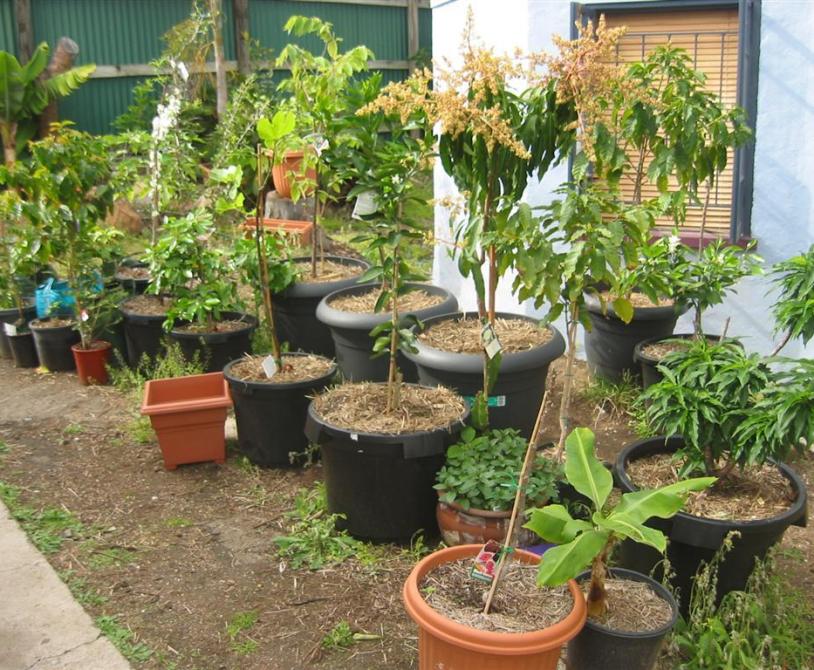
Mulching is key to maintaining soil moisture and regulating soil temperature during winter. Apply a generous layer of mulch around your garden beds to insulate the soil and protect plant roots from frost. Organic mulches such as straw, leaves, and compost not only provide insulation but also break down over time, enriching the soil with nutrients.

3. Protect Tender Plants
If you have tender plants in your garden, such as tropicals or subtropicals, it’s important to protect them from the cold. Consider moving potted plants indoors or to a sheltered area like a greenhouse or garage. For plants in the ground, cover them with frost cloth or hessian sacks to shield them from frost damage. Be sure to remove covers during the day to allow sunlight and air circulation.
4. Prune and Feed
Winter is an excellent time to prune deciduous trees and shrubs while they are dormant. Remove any dead or diseased branches and shape the plants to encourage healthy growth. Avoid heavy pruning of frost-sensitive plants, as this can stimulate new growth that is vulnerable to frost damage. Additionally, give your garden a boost by applying a slow-release fertilizer to replenish soil nutrients.

5. Plant Winter Vegetables and Flowers
While many plants go dormant during winter, there are still plenty of options for adding color and interest to your garden. Plant cool-season vegetables such as broccoli, kale, and carrots, as well as winter-flowering annuals like pansies, violas, and primroses. These plants not only brighten up your garden but also provide fresh produce during the cooler months.
6. Maintain Your Lawn
Even though your lawn may not be growing as vigorously as it does in summer, it still requires some attention during winter. Mow your lawn regularly, but raise the cutting height to avoid stressing the grass. Aerate compacted soil to improve drainage and reduce waterlogging. If your lawn is looking a bit worse for wear, consider overseeding with a cool-season grass variety to rejuvenate it.
7. Plan for Spring
While you’re busy tending to your garden in winter, don’t forget to plan for spring. Take stock of what worked well and what didn’t in your garden this year, and start thinking about any changes or improvements you’d like to make. Consider ordering seeds or bulbs for spring planting, and begin preparing any new garden beds or structures you have in mind.

Preparing your garden for winter in Australia requires a little effort, but the rewards are well worth it. By taking the time to tidy up, protect your plants, and plan ahead, you can ensure that your garden remains healthy and vibrant all year round. So grab your gloves and get ready to enjoy a winter wonderland in your own backyard!